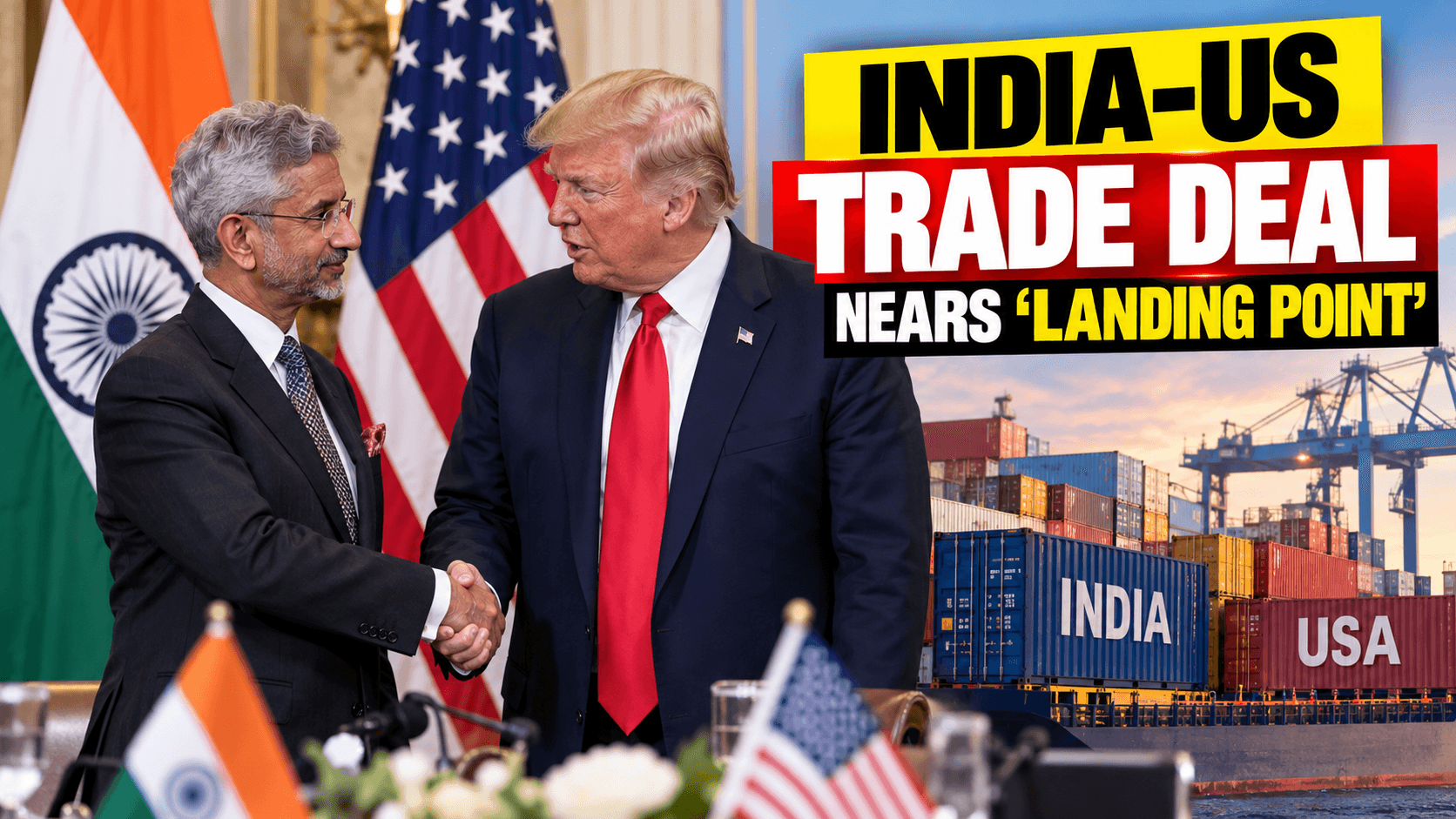
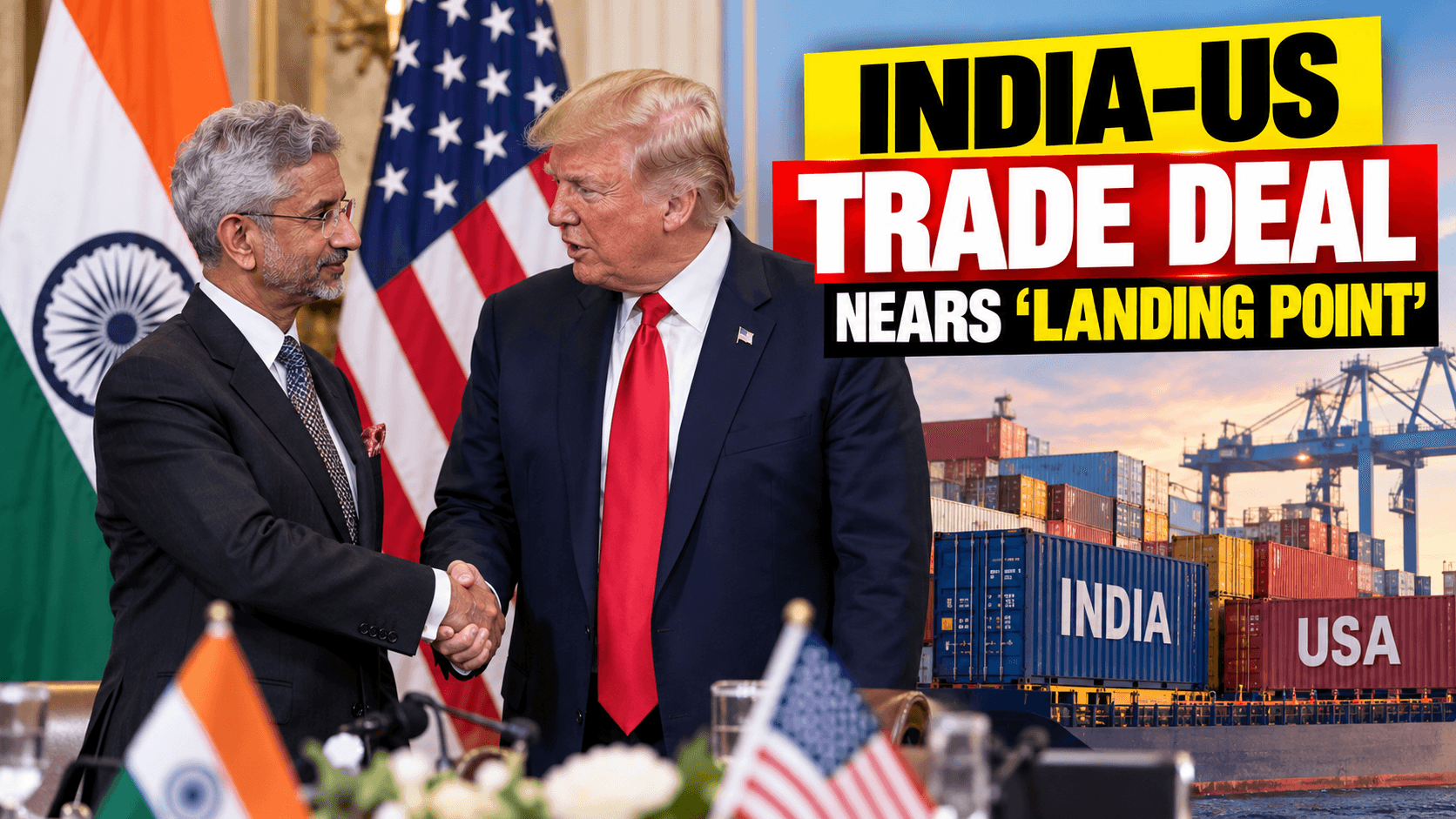
India-US Trade Deal Nears ‘Landing Point’ as Jaishankar Says Both Sides Work to Resolve Differences
New Delhi, October 14, 2026: India and the United States are making progress in negotiations on a proposed bilateral trade agreement, with External Affairs Minister S. Jaishankar indicating that the discussions are approaching a possible resolution. He said officials from both countries are working to resolve outstanding differences, although some issues remain unsettled.
Speaking at the Bloomberg New Economy Forum on Tuesday, Jaishankar described the negotiations as being at an advanced stage and suggested that the two sides were moving towards a potential “landing point.” However, he cautioned that some matters were still under discussion and declined to disclose specific details.
The negotiations are important for both countries as they seek to address tariff-related tensions, improve market access and strengthen economic cooperation.
Jaishankar Says Trade Negotiations Are Progressing
Jaishankar said Indian and American officials are continuing discussions to bridge differences over the proposed trade agreement. The negotiating teams include India's Commerce and Industry Ministry and the Office of the United States Trade Representative.
According to Jaishankar, the negotiations have progressed considerably, but the final outcome will also depend on the terms secured by other economies negotiating with Washington
India is seeking favourable tariff conditions for its exports so that Indian businesses can compete effectively with companies from other countries in the American market.
Although Jaishankar's remarks indicate progress, he did not announce a final agreement or provide a specific date for its completion.
Why Is the India-US Trade Deal Important?
The proposed agreement aims to improve commercial relations between two major economies. By addressing tariffs and other trade barriers, the deal could create opportunities for businesses seeking to expand exports and access new markets.
For India, improved access to the American market could benefit exporters in sectors such as textiles, engineering goods, pharmaceuticals and other manufactured products, depending on the final terms.
For the United States, negotiations could provide opportunities to expand exports to India and address concerns about market access and trade regulations.
A successful agreement could also provide businesses with greater clarity when planning investment, production and international supply chains. However, the actual benefits would depend on the provisions included in the final deal.
Tariffs Remain a Major Point of Discussion
Tariffs have been a central issue in India-US trade negotiations. These duties affect the cost of imported goods and can influence the competitiveness of businesses operating across international markets.
Jaishankar explained that the American approach to tariffs is connected to a broader effort by Washington to strengthen domestic manufacturing and reconsider the terms on which foreign businesses access the US economy.
This approach has led several major economies to negotiate with the United States over trade conditions.
India's challenge is to secure terms that protect its economic interests while maintaining access to one of its important export markets.
The discussions also involve non-tariff barriers and other conditions that influence the movement of goods between the two countries.
What Has Delayed the Agreement?
The negotiations have continued since early 2025, reflecting differences over tariffs, market access and the competitive position of Indian exporters.
Finance Minister Nirmala Sitharaman said earlier in October that the negotiations had reached a “plateau,” suggesting that progress had become more difficult at tht stage.
US Trade Representative Jamieson Greer also indicated earlier this month that both countries were working towards a deal but that an agreement was not imminent.
Jaishankar's latest remarks suggest that discussions are continuing, with officials attempting to resolve the remaining issues. Nevertheless, the outstanding differences mean that a final agreement should not be treated as confirmed.
India-US Strategic Partnership Remains Important
Beyond trade, Jaishankar discussed the broader relationship between New Delhi and Washington. He said the fundamental basis of the bilateral strategic partnership remained unchanged despite differences over individual policy issues.
He also distinguished India's relationship with the United States from a formal military alliance, describing the two countries as strategic partners that cooperate where their interests overlap.
India and the United States have developed cooperation across several areas over the past two decades, including technology, defence, energy and economic engagement.
Although disagreements over tariffs and other policies have created challenges, both governments continue to engage on issues of shared interest.
What Could the Trade Deal Mean for Businesses?
The outcome of the negotiations could influence exporters, manufacturers, importers and investors in both countries.
If the final agreement provides improved tariff access, some Indian exporters could become more competitive in the US market. American businesses could also benefit if the agreement improves access to Indian consumers and reduces certain trade barriers.
However, the effect would vary by sector. Some industries may receive greater benefits than others, while businesses exposed to increased competition could face additional pressure.
Companies will therefore need to examine the final agreement's specific provisions before assessing its commercial impact.
What Happens Next?
The immediate priority is to resolve the outstanding differences through continued negotiations between Indian and American officials.
Jaishankar's comments offer an indication of progress, but neither side has announced a completed agreement. The timing of a final deal will depend on whether the remaining issues can be settled and acceptable terms can be reached by both governments.
Further official announcements will be needed to clarify the agreement's scope, tariff provisions and implementation timeline.
Conclusion
India and the United States appear to be advancing towards a possible conclusion of their proposed trade negotiations, according to External Affairs Minister S. Jaishankar. His remarks suggest that discussions have reached an advanced stage, with officials continuing to work through unresolved issues.
The agreement could have implications for bilateral trade, export competitiveness and economic cooperation. However, its final benefits and timeline remain uncertain until the two governments announce a completed deal.
For now, the negotiations represent an ongoing effort to balance the economic priorities of both countries while maintaining their wider strategic partnership.
Disclaimer: This article is for informational and educational purposes only. It reflects reported developments as of October 14, 2026. No final trade agreement has been confirmed in the reporting cited here.
Get More News on Swaggbuzz
Author
About the author
Siddhaanth Raghav
Topics