
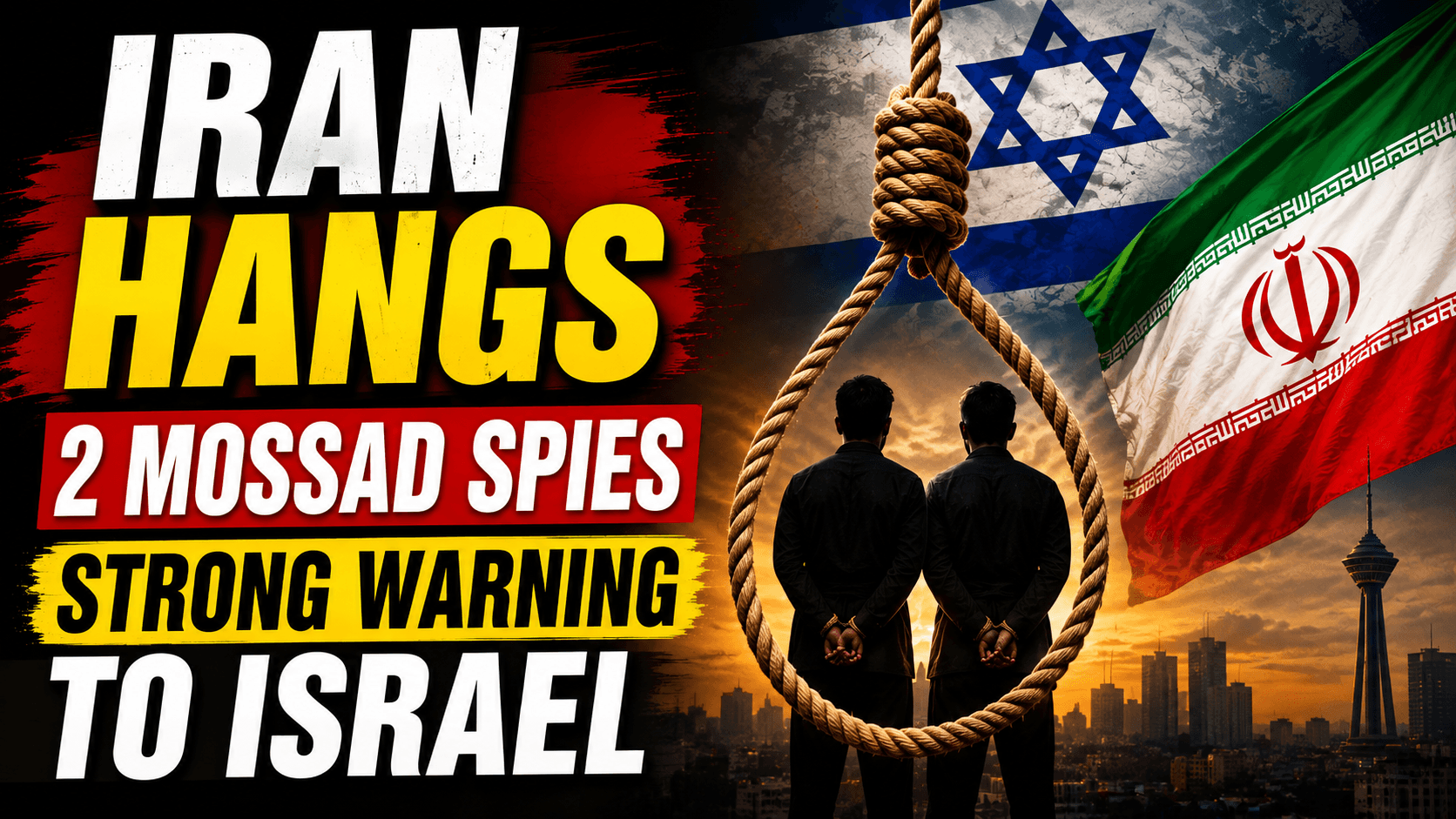
Iran Executes Two Alleged Mossad Spies Over Military Intelligence Leak
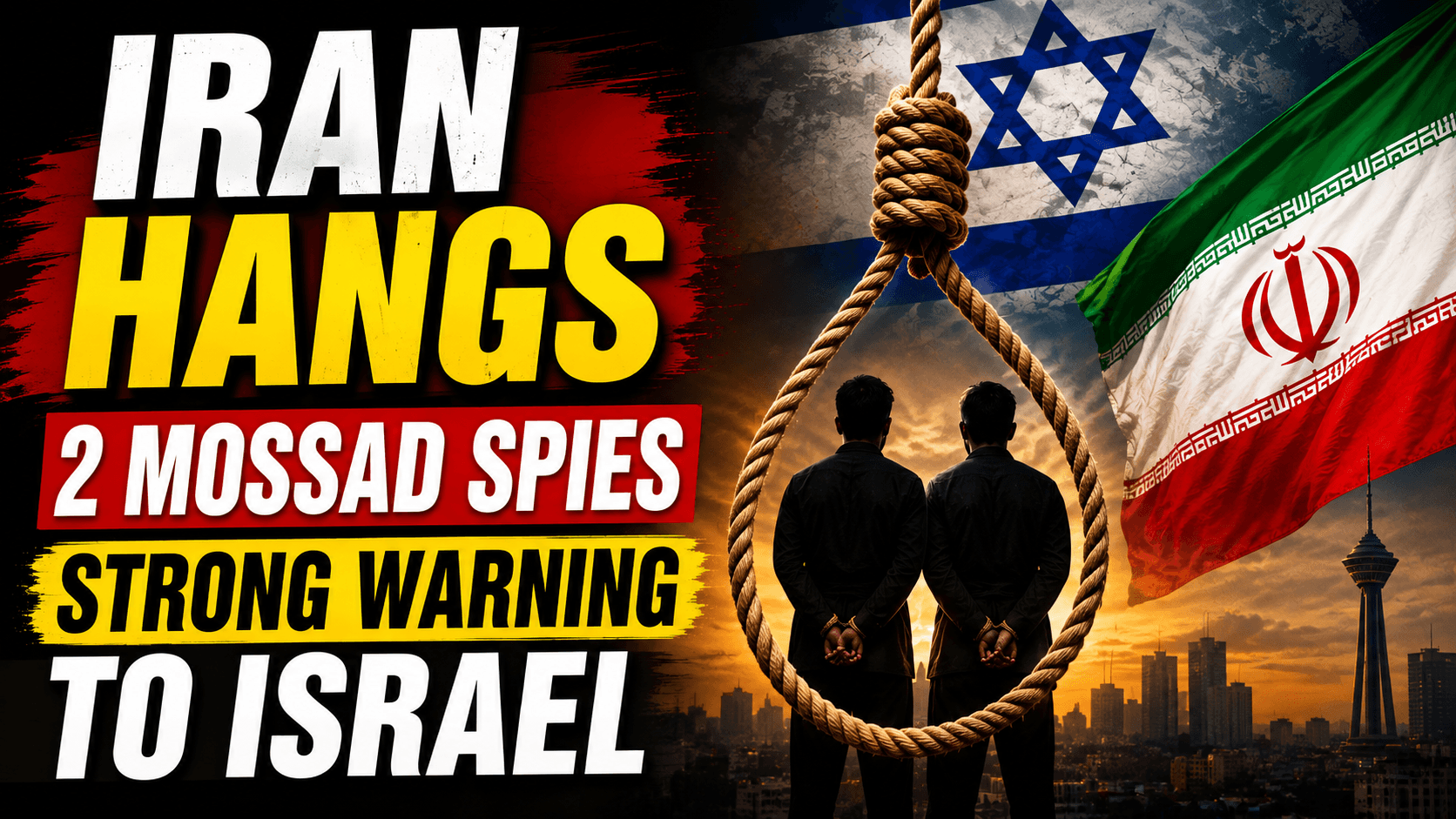
Iran has executed two Iranian nationals convicted of allegedly spying for Israel's Mossad intelligence agency, with authorities accusing them of passing sensitive military information and security-related coordinates during the recent conflict between Iran and Israel.
Siddhaanth Raghav
Iran Executes Two Alleged Mossad Spies Over Military Intelligence Leak, Issues Strong Warning to Israel
Tehran Says Convicted Men Shared Sensitive Military Information During Conflict as Regional Tensions Remain High
Iran has executed two Iranian nationals convicted of allegedly spying for Israel's Mossad intelligence agency, with authorities accusing them of passing sensitive military information and security-related coordinates during the recent conflict between Iran and Israel. The executions, carried out by hanging, have intensified international attention on the already strained relationship between the two regional rivals.
According to Iran's judiciary, the two men were found guilty of cooperating with Mossad and providing intelligence related to military sites and security installations. Iranian officials described the executions as part of an ongoing campaign to combat espionage and safeguard national security amid continuing tensions in the Middle East.
Iran's Allegations
Iranian judicial authorities alleged that the two men transmitted sensitive military information, including the locations of security facilities and strategic sites, to Israeli intelligence during recent hostilities.
State media reported that the information allegedly included military coordinates and images that could have been used to support Israeli operations. Iranian authorities said the accused had maintained contact with Mossad operatives and were convicted after investigations conducted by security agencies. These allegations have not been independently verified.
Executions Carried Out After Convictions
Iran's judiciary announced that the executions were carried out after legal proceedings concluded and the convictions were upheld under the country's judicial process.
Officials stated that the case was handled under laws relating to espionage, cooperation with a foreign intelligence service, and national security offences.
The identities of the two men were released by Iranian media, which reported that the executions were intended to demonstrate the government's determination to confront espionage activities.
Message to Israel
The executions are widely viewed as a strong signal from Tehran amid its long-running confrontation with Israel.
Iranian officials have repeatedly accused Israel of carrying out intelligence operations, cyberattacks, sabotage, and targeted actions inside Iranian territory. While Israel rarely comments on specific intelligence operations, it has consistently maintained a policy of strategic ambiguity regarding Mossad activities.
Analysts say the latest executions reflect Iran's efforts to deter future intelligence operations by demonstrating severe consequences for those convicted of espionage.
Rising Espionage Concerns
The executions come during a period of heightened security across Iran following recent military confrontations and reports of covert operations targeting Iranian military and strategic facilities.
Iranian authorities have announced multiple arrests in recent months involving individuals accused of collaborating with foreign intelligence agencies.
Officials say investigations into alleged espionage networks remain ongoing, with security agencies continuing efforts to identify potential threats to national security.
Regional Tensions Continue
The latest developments add to growing instability in the Middle East.
Recent weeks have seen increased military activity, diplomatic tensions, and concerns over regional security involving Iran, Israel, and the United States.
Governments across the region continue to monitor developments closely, while international observers have urged restraint to prevent further escalation.
The executions are likely to add another layer of complexity to an already fragile regional security environment.
International Attention
The case has drawn international attention because of its connection to the broader Iran–Israel rivalry.
Human rights organizations have frequently expressed concerns about Iran's use of the death penalty, particularly in national security and espionage cases, while Iranian authorities maintain that such measures are necessary to protect the country's sovereignty and security.
As of now, there has been no official public response from the Israeli government regarding the executions.
Broader Impact
Security analysts believe the incident could have several implications:
- Increased intelligence and counterintelligence activities.
- Heightened security measures within Iran.
- Greater diplomatic tension between Iran and Israel.
- Continued international scrutiny of developments in the Middle East.
- Renewed discussions about regional stability and conflict prevention.
The event also highlights the continuing role of intelligence operations in the broader geopolitical competition between the two countries.
What Happens Next?
Iranian officials have indicated that investigations into alleged espionage activities will continue.
Observers expect security agencies to intensify surveillance and counterintelligence operations while regional governments closely monitor any possible diplomatic or military fallout.
Whether the executions influence future intelligence operations or regional relations remains uncertain, but the development underscores the continuing volatility of the Middle East security landscape.
Conclusion
Iran's execution of two men accused of working for Israel's Mossad marks another significant development in the long-running rivalry between Tehran and Jerusalem. Iranian authorities say the men were convicted of supplying sensitive military information to Israel during recent hostilities, describing the executions as part of a broader effort to protect national security. The allegations are those of Iranian authorities and have not been independently verified.
With regional tensions already elevated, the incident is expected to draw continued international attention as governments monitor its implications for Middle East security, diplomacy, and the ongoing shadow conflict between Iran and Israel.
Get More News on Swaggbuzz