CJP’s Saurav Das, Ashutosh Ranka Withdraw Delhi High Court Plea Against Extension of Judicial Custody
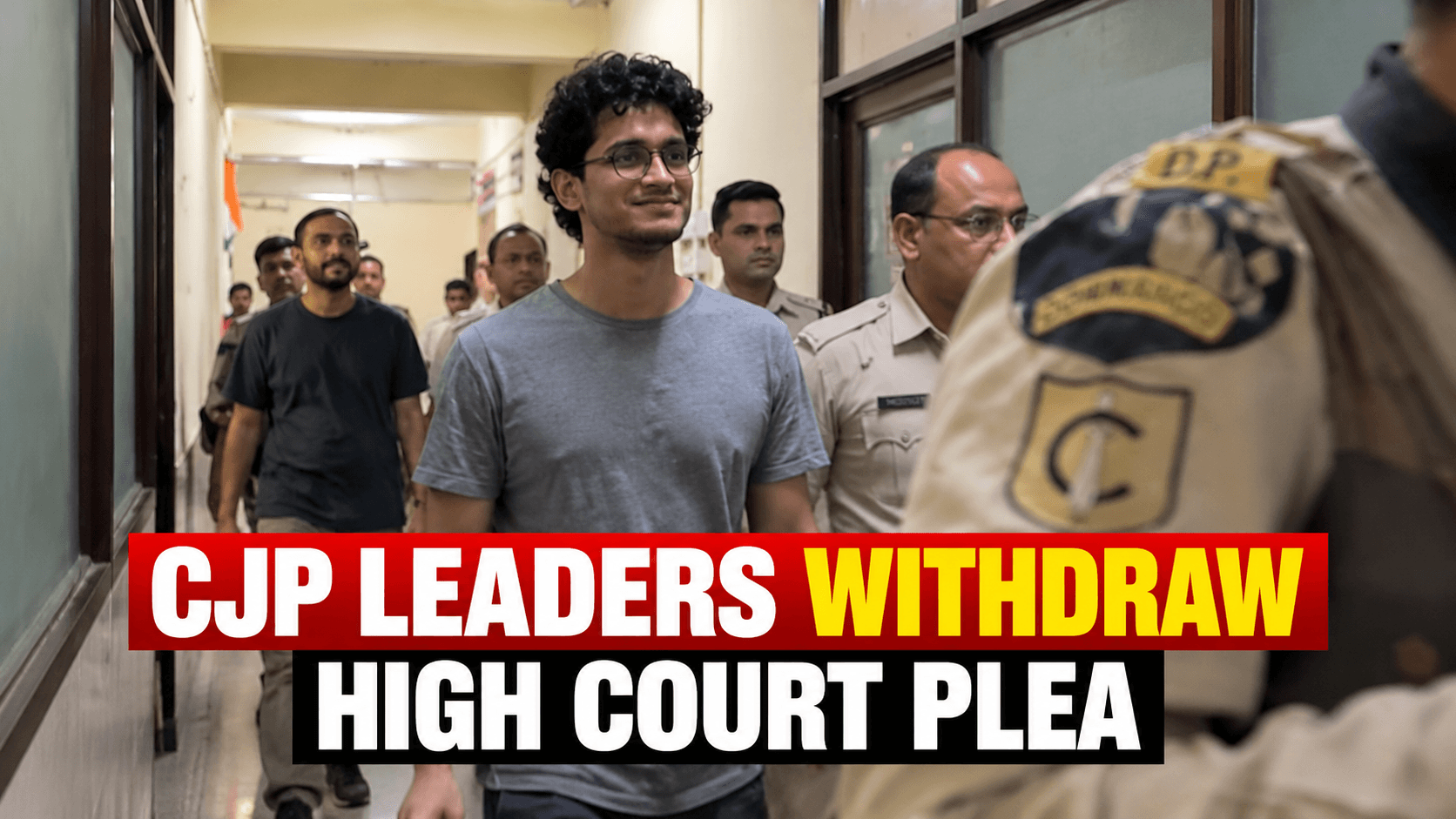
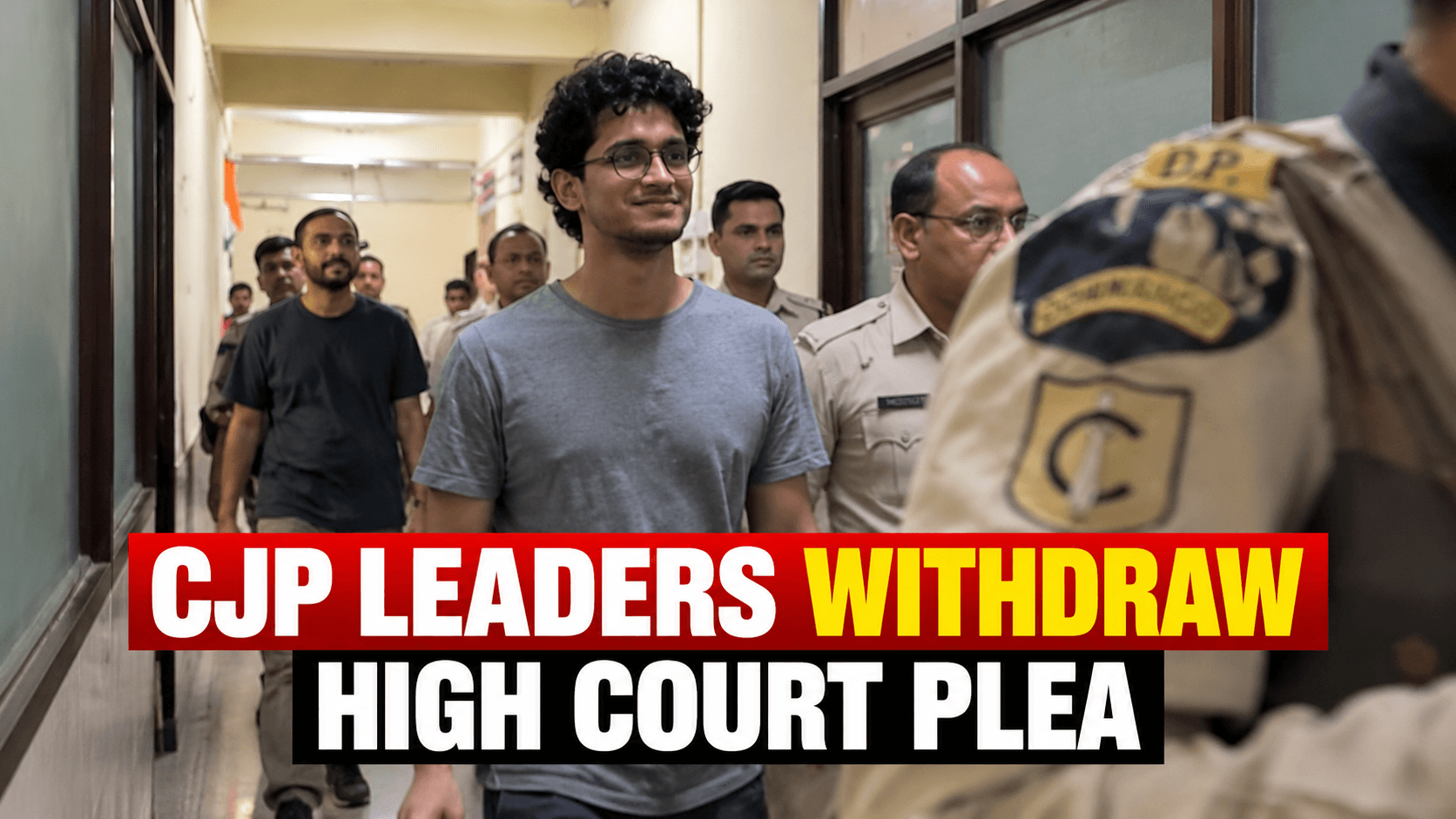
New Delhi, October 21, 2026: Cockroach Janta Party (CJP) leaders Saurav Das and Ashutosh Ranka on Wednesday withdrew their petition before the Delhi High Court challenging the extension of their judicial custody by a Special Executive Magistrate (SEM). The development came after Justice Subramonium Prasad suggested that they await the outcome of proceedings before the magistrate and approach the appropriate appellate court if their grievances remained unresolved.
The petition challenged an October 19 order extending their custody by two days, until October 21. The High Court permitted the withdrawal but clarified that it had not expressed any opinion on the merits of their challenge.
According to reports by [The Hindu](https://www.thehindu.com/news/cities/Delhi/delhi-high-court-hearing-cjp-saurav-das-ashutosh-ranka-custody-aisa-neha/article71606632.ece) and other news outlets, the hearing focused on the availability of alternative legal remedies under the Bharatiya Nagarik Suraksha Sanhita (BNSS).
Why Did the CJP Leaders Withdraw Their Petition?
During the hearing, Justice Subramonium Prasad questioned why the petitioners had approached the High Court through a writ petition when the law provided other procedures for challenging the magistrate’s order.
The judge suggested that the two leaders wait for the outcome of the proceedings scheduled before the Special Executive Magistrate later that day. If their concerns remained unresolved, they could consider approaching the appellate court.
Their counsel, advocate Abhik Chimni, subsequently sought permission to withdraw the petition, which the High Court allowed.
The withdrawal does not mean that the court upheld the custody extension or rejected the allegations raised by the petitioners. Instead, the High Court left the substantive legal questions undecided.
What Was the Dispute Over Judicial Custody?
The case arose from preventive proceedings initiated against Das and Ranka in connection with protests at Jantar Mantar in Delhi.
The two leaders had earlier been required to execute bonds to maintain peace. Police subsequently alleged that they breached the conditions by participating in a gathering at Jantar Mantar after the location had been de-notified as a protest site.
Following the proceedings, an Executive Magistrate ordered their judicial custody for five days on October 14. On October 19, a Special Executive Magistrate extended the custody by another two days, until October 21, and directed them to furnish fresh sureties after finding the sureties previously presented unacceptable.
Das and Ranka challenged the extension, questioning the legal basis for the order and the rejection of the sureties.
CJP Leaders Question Rejection of Sureties
During the High Court hearing, the petitioners' counsel argued that the October 19 order was legally unsustainable and raised concerns about the procedure followed in assessing the sureties.
The defence also questioned whether the authorities had adequately considered the documents and individuals offered as sureties before directing the submission of fresh ones.
The magistrate's order reportedly cited discrepancies in the surety documentation and concerns about the suitability of the individuals presented.
The dispute therefore involved not only the extension of custody but also the legal requirements governing peace bonds, sureties and preventive proceedings.
The High Court did not finally determine these issues during the hearing on October 21.
High Court Points to Alternative Legal Remedies
A significant aspect of the hearing was the court's emphasis on the statutory remedies available under the BNSS.
Justice Prasad questioned whether a writ petition under Article 226 of the Constitution was the appropriate route when the law provided an appeal or revision mechanism for challenging the relevant order.
The court indicated that the appellate forum could examine the facts and legal objections through the applicable procedure.
By permitting the petition to be withdrawn, the High Court left the petitioners free to consider the appropriate legal course, subject to the applicable law and procedural requirements.
Background: Protests at Jantar Mantar
The case is connected to protests organised by the CJP against Chief Election Commissioner Gyanesh Kumar and concerns surrounding electoral-roll revisions.
The dispute over Jantar Mantar's status as a protest site became central to the preventive proceedings. Authorities alleged that the leaders had violated their earlier peace bonds by returning to the location for a gathering.
The leaders challenged the subsequent custody orders, raising questions about personal liberty, the legality of preventive action and the treatment of their sureties.
The case has also brought renewed attention to the powers exercised by Special Executive Magistrates in preventive proceedings and the legal safeguards applicable when such powers affect personal liberty.
What Happens Next?
Following the withdrawal of the High Court petition, the immediate focus shifted to the proceedings before the Special Executive Magistrate, where the sureties were due to be reconsidered on October 21.
The High Court indicated that Das and Ranka could approach the appropriate appellate forum if their grievances remained unresolved after those proceedings.
The subsequent outcome would determine the next steps in their legal challenge. As the High Court did not rule on the merits of the withdrawn petition, questions concerning the legality of the custody extension and the rejection of the sureties remained undecided in that proceeding.
Conclusion
The withdrawal of Saurav Das and Ashutosh Ranka's petition marks a procedural development in the ongoing dispute over their preventive custody in Delhi. The High Court allowed them to withdraw the challenge while directing attention to the alternative remedies available under the law.
The case continues to raise questions about the use of preventive proceedings, the acceptance of sureties and the legal procedures available to individuals challenging restrictions on their liberty. Further developments will depend on the outcome of the magistrate's proceedings and any subsequent appeal or revision.
Get More News on Swaggbuzz
Author
About the author
Siddhaanth Raghav
Topics