Share
Delhi blast suspect seen at Connaught Place before Red Fort
The morning began like any other in Delhi — a haze of traffic, chatter and smog — until a silver Hyundai i20 rolled quietly into the capital. By sundown, the same car would become the center of a terrifying explosion near one of India’s most iconic landmarks — the Red Fort.At 7:30 AM, CCTV cameras in Faridabad captured the i20 idling outside a small hospital. Nothing seemed unusual — except for the man behind the wheel.
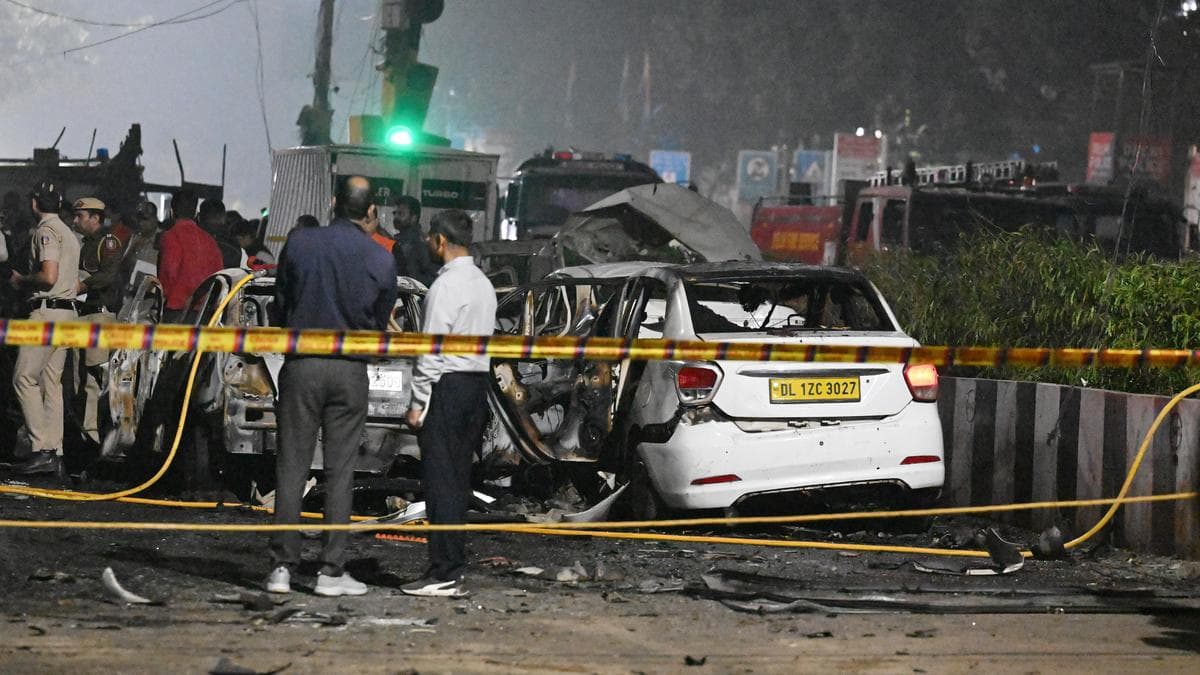
Timeline of Events
- The vehicle, a Hyundai i20 registered in Haryana, was first spotted outside a hospital in Faridabad at around 7 : 30 am on the morning of the incident.
- At 8 : 04 am, it crossed into Delhi via the Badarpur toll plaza. Sixteen minutes later, the driver (identified as Mohammed Umar) was captured by CCTV at a petrol pump near the Okhla Industrial Area, wearing a mask.
- By about 2 : 30 pm, the car was seen circling the inner ring of Connaught Place (New Delhi) — possibly surveying or waiting.
- The vehicle then parked near the Sunehri Masjid parking lot in Chandni Chowk around 3 : 15 pm, and remained stationary from 3 : 19 pm to 6 : 25 pm while the driver stayed inside.
- In the final 25 minutes before the blast, the car moved from Chandni Chowk area towards Red Fort, made a U-turn near the heritage zone, and stopped near Gate No.1 of Red Fort metro station on Subhash Marg. At around 6 : 52 pm, the explosion occurred.
Key Implications
- The extended duration of the journey (about 7 hours from Faridabad into Delhi, with long waiting period) suggests deliberate planning by the suspect.
- Parking in a crowded area and waiting for the evening indicates an intent to maximise impact (targeting high foot traffic/time).
- Investigators are reviewing over 1,000 CCTV cameras along the route to determine if the driver acted alone or with accomplices.
- The use of a civilian car and disguised movements highlights how ordinary vehicles and urban infrastructure are being exploited in security-threat contexts.
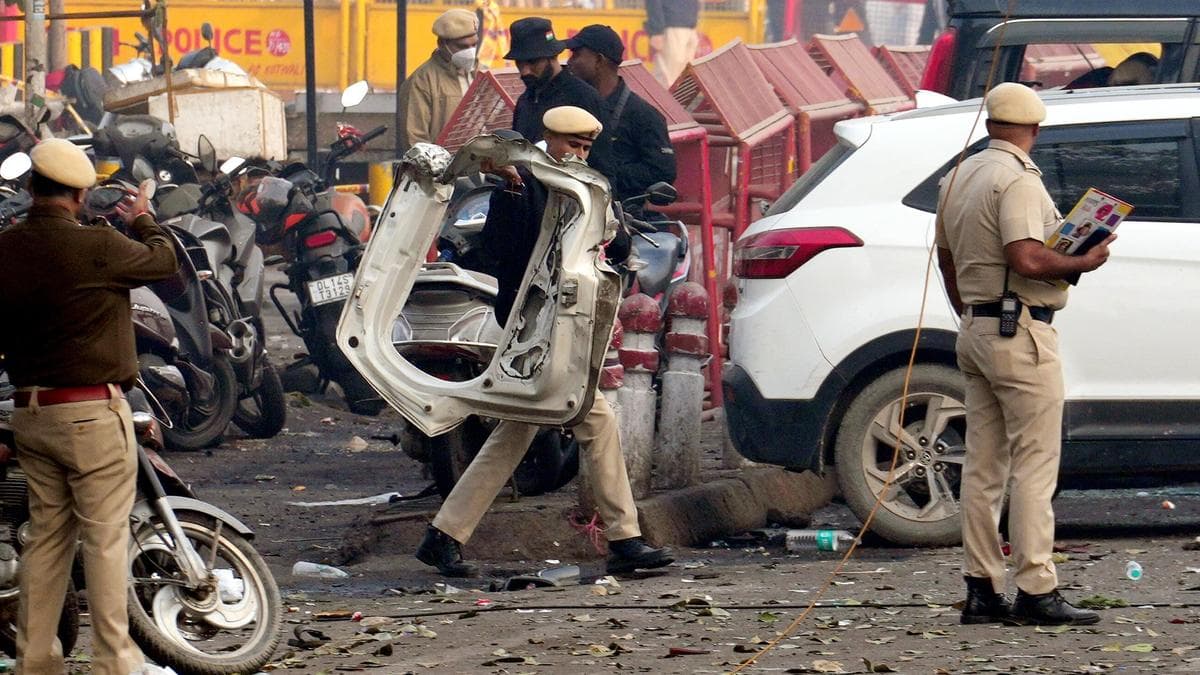
What to Watch Next
- Findings from forensic analysis: details of explosives used, how they were planted, if there were other occupants.
- Security measures in and around heritage / tourist zones like Red Fort — whether gaps exist in urban surveillance or access control.
- Intelligence and policing response: whether prior alerts existed or if the suspect’s long movement was traced earlier.
- Broader counter-terror posture: How law-enforcement agencies adapt in dense urban settings where routine vehicles can be used to carry out attacks.
Author
About the author
A
Ashish
Topics