
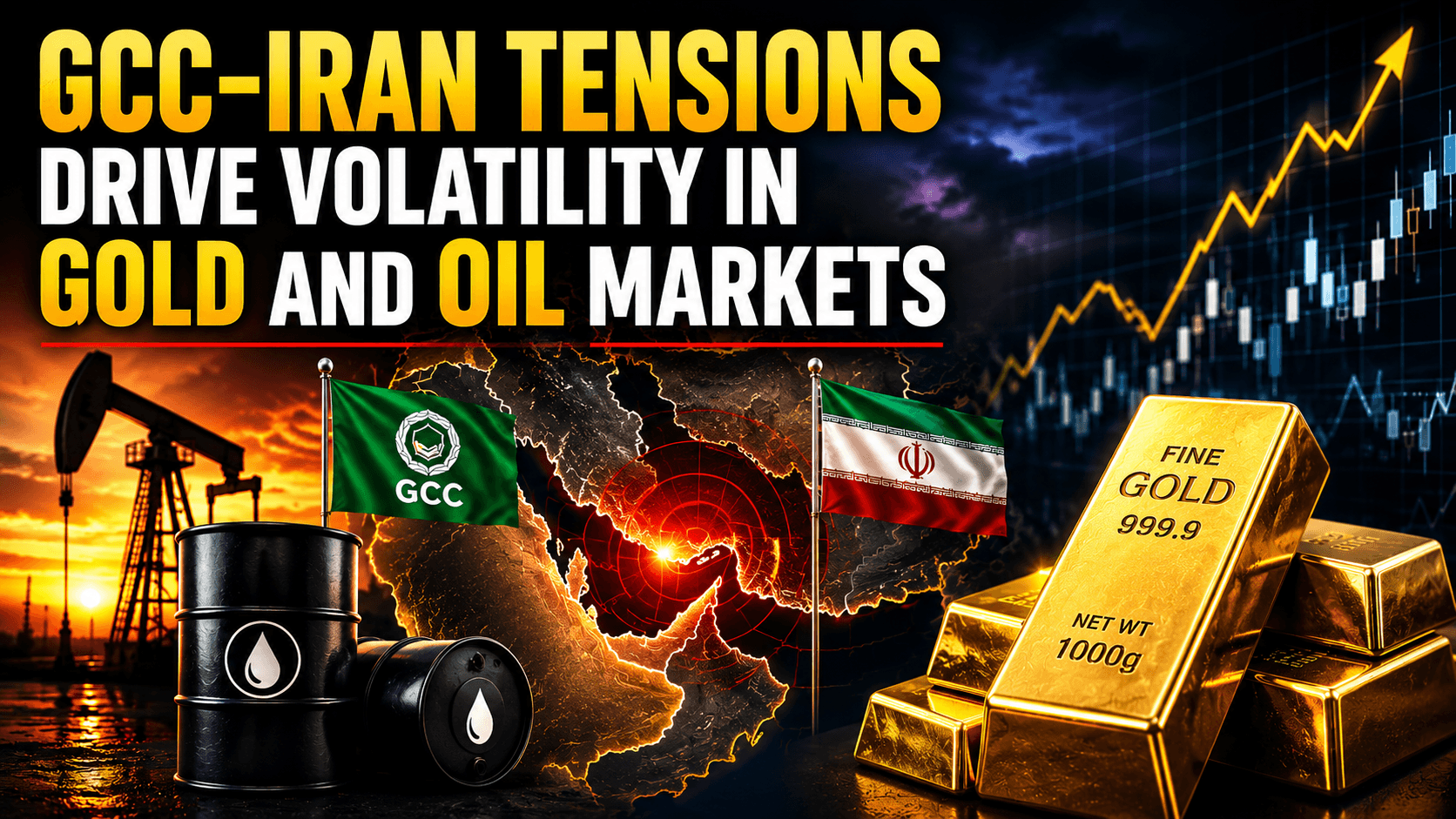
GCC-Iran Tensions Drive Volatility in Gold and Oil Markets
Growing geopolitical tensions between Iran and members of the Gulf Cooperation Council (GCC) are once again placing global commodity markets on edge.
Siddhaanth Raghav
GCC-Iran Tensions Drive Volatility in Gold and Oil Markets
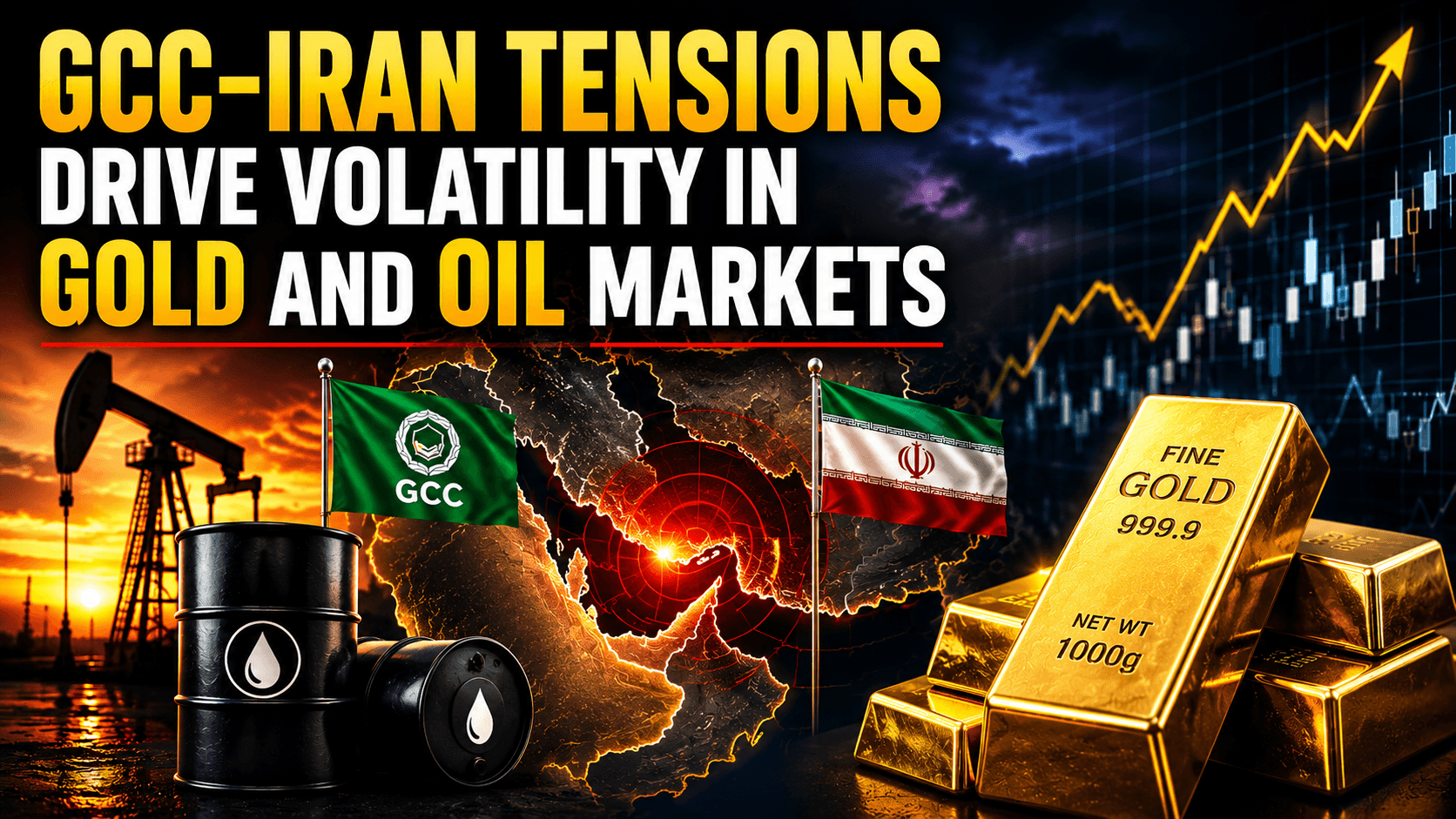
Growing geopolitical tensions between Iran and members of the Gulf Cooperation Council (GCC) are once again placing global commodity markets on edge. Investors are closely monitoring developments around the Strait of Hormuz, one of the world's most critical energy transit routes, as concerns over potential supply disruptions continue to influence both oil and gold prices.
The latest escalation has renewed fears that any disruption in the region could affect global energy supplies. The Strait of Hormuz handles a significant portion of the world's oil shipments, making it a strategic chokepoint for international energy markets. As a result, oil prices have received support from rising geopolitical risk premiums, with traders factoring in the possibility of supply interruptions.
Oil Prices Supported by Supply Concerns
Energy analysts note that oil markets remain highly sensitive to developments in the Middle East. Even the perception of increased risk can push prices higher as investors prepare for potential disruptions in shipping routes and production facilities.
Market participants are paying close attention to military movements, diplomatic negotiations, and energy security measures across the region. Any escalation could trigger further volatility in crude oil prices, particularly if transportation through the Strait of Hormuz is affected.
As long as uncertainty remains elevated, oil is likely to retain an upward bias, supported by concerns over supply stability and global energy security.
Gold Benefits from Safe-Haven Demand
Gold has also attracted investor interest amid the geopolitical uncertainty. Traditionally viewed as a safe-haven asset, gold often gains during periods of market stress as investors seek protection from volatility.
However, gold's outlook remains mixed. While geopolitical tensions are supporting demand, other factors such as inflation expectations, central bank policies, higher bond yields, and the strength of the US dollar continue to influence price movements.
Analysts suggest that safe-haven buying could provide short-term support for gold, but sustained gains may depend on future interest rate decisions from major central banks and broader economic conditions.
Key Factors Investors Are Watching
Several indicators are expected to shape market direction in the coming weeks:
- Geopolitical developments in the Middle East
- Security conditions around the Strait of Hormuz
- Global oil supply and production trends
- Inflation data and central bank policy decisions
- US dollar performance and bond yields
- Investor demand for safe-haven assets
Market Outlook
Financial markets are entering a period of heightened uncertainty as geopolitical risks intersect with economic challenges. Oil prices remain vulnerable to supply-related shocks, while gold continues to balance safe-haven demand against pressure from monetary policy expectations.
Experts believe the coming weeks could prove critical for both commodities. Any significant escalation in regional tensions could drive further gains in oil and increase demand for defensive assets such as gold. Conversely, signs of diplomatic progress could help ease market fears and reduce volatility.
For now, investors are expected to remain cautious, closely tracking developments in the Middle East as they assess the potential impact on global markets, inflation, and economic growth.
Get More News on Swaggbuzz