
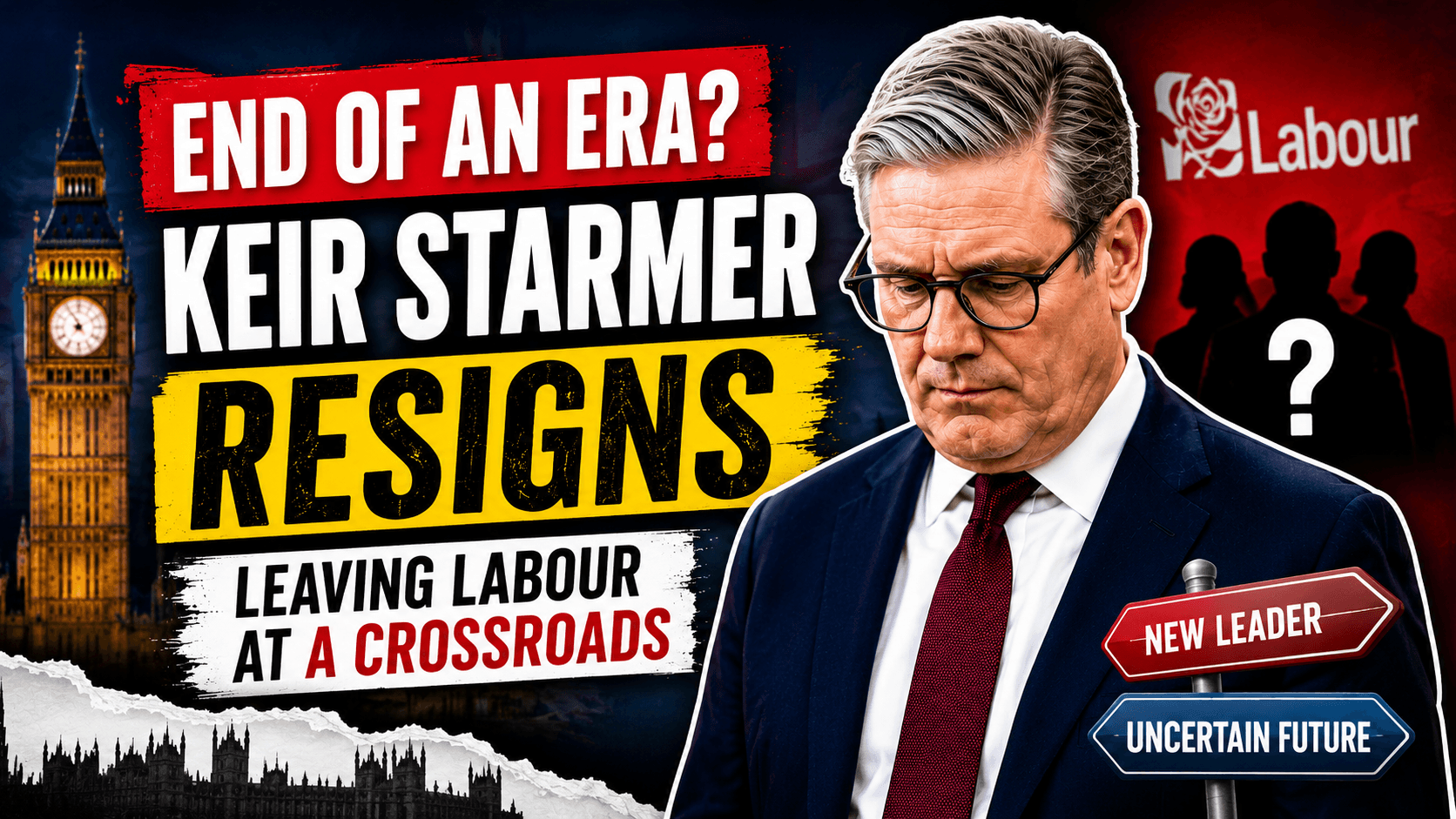
End of an Era? Keir Starmer Resigns, Leaving Labour at a Crossroads
British politics has entered a new phase of uncertainty after Prime Minister Keir Starmer announced his resignation as both Prime Minister and leader of the Labour Party.
Siddhaanth Raghav
End of an Era? Keir Starmer Resigns, Leaving Labour at a Crossroads
British politics has entered a new phase of uncertainty after Prime Minister Keir Starmer announced his resignation as both Prime Minister and leader of the Labour Party.
The surprise decision marks a significant turning point for the UK government and raises important questions about Labour's future direction. Starmer, who led Labour back to power and oversaw a period of major political change, said stepping down was in the best interests of the party and the country.
In his resignation speech, Starmer reflected on his time in office, thanking voters, colleagues, and supporters who helped Labour return to government. He emphasized the importance of stability and pledged to support a smooth transition as the party begins the process of selecting a new leader.
The announcement follows months of political pressure, internal debate, and growing scrutiny over Labour's performance. While Starmer remained one of the country's most influential political figures, recent challenges had fueled discussions about the party's long-term leadership and electoral strategy.
His departure now leaves Labour at a critical crossroads. The party must not only choose a new leader but also decide how it intends to shape its future vision and priorities. Political analysts believe the leadership contest could become one of the most closely watched events in British politics this year.
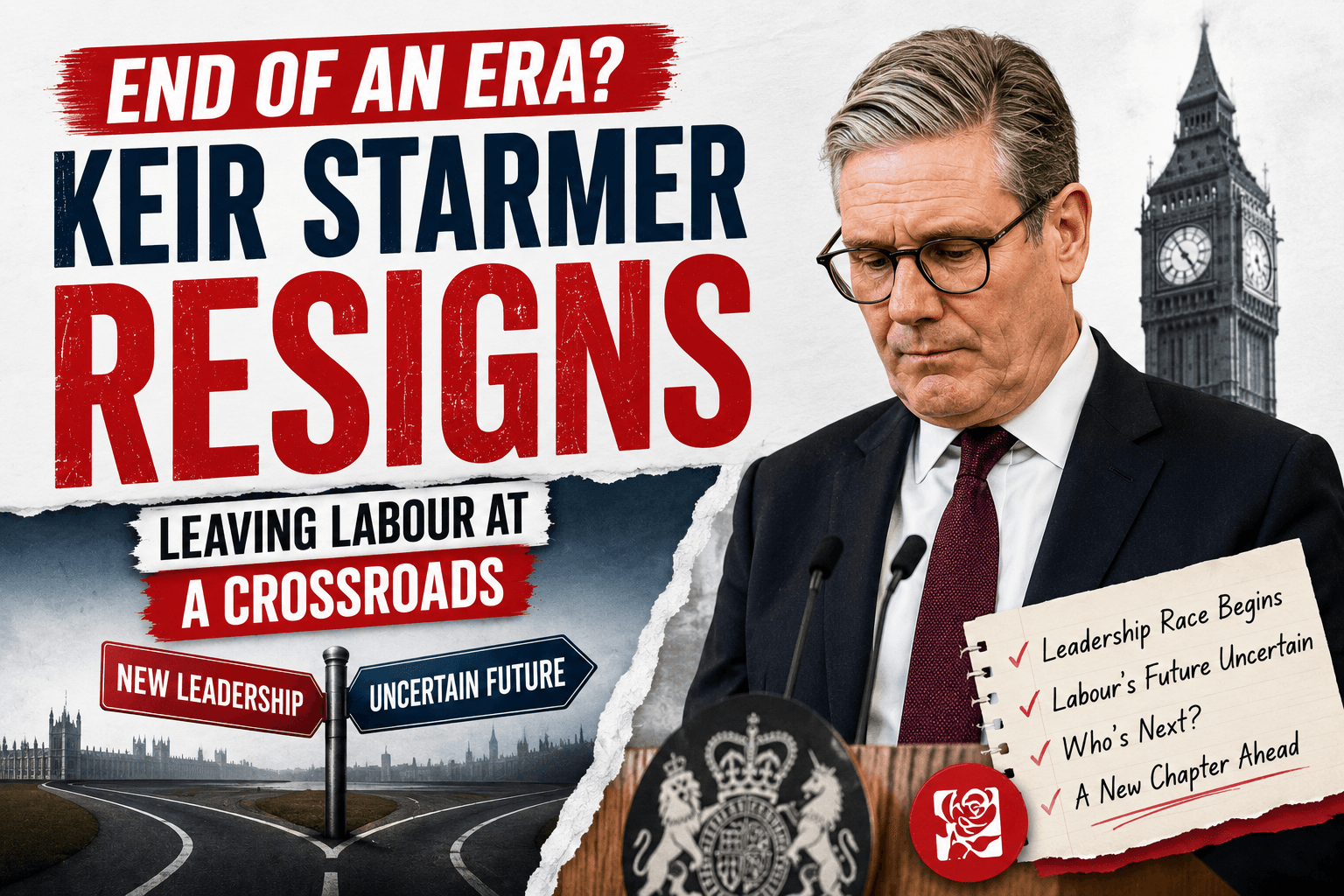
Several prominent Labour figures are already being mentioned as potential successors. Among them is Andy Burnham, whose recent political successes have strengthened speculation that he could play a major role in the party's next chapter.
The resignation has generated strong reactions across the political spectrum. Supporters praised Starmer's contribution to the party and his willingness to step aside for what he described as the greater good, while critics argue the move reflects deeper challenges facing the government.
For Britain, the transition comes at a crucial moment as the country continues to navigate economic pressures, international challenges, and domestic policy debates. The outcome of Labour's leadership race could influence not only the party's future but also the direction of British politics for years to come.
As Westminster prepares for a new leadership battle, one thing is clear: Keir Starmer's resignation marks the end of one chapter and the beginning of another for Labour and the United Kingdom.
Get More Trending News On Swaggbuzz